Continuing Appropriations and Extensions Act, 2027 (HR 6500) – This appropriations bill was finalized and passed…
⏱ 4 min read
Continuing Appropriations and Extensions Act, 2027 (HR 6500) – This appropriations bill was finalized and passed by both the House and the Senate on Sept. 1. The act funds the fiscal year 2027 government budget through Dec. 11 at current levels. It was signed by the President on Sept. 2.
Prison Staff Safety Enhancement Act (S 307) – This bill is designed to address sexual harassment and sexual assault of Bureau of Prisons correctional officers and other staff by incarcerated prisoners. Specifically, it details national standards for the prevention, reduction, and punishment of perpetrators. The legislation was introduced by Sen. Marsha Blackburn (R-TN) on Jan. 29, 2025. It passed in the Senate on April 29, 2025; in the House on Aug. 31; and was enacted by the president on Sept. 16.
Retire through Ownership Act (S 2403) – Introduced by Sen. Roger Marshall (R-KS) on July 23, 2025, this bill amends the Employee Retirement Income Security Act of 1974. ESOPs are Employee Stock Ownership Plans that enable employees to accrue shares of their employers’ stock as part of a pension plan, in which they receive the cash value of their shares upon retirement. This bill clearly defines how a good-faith valuation should be determined by independent professional appraisers, based on IRS Revenue Ruling 59-60 for valuing privately held stock. In the past, ambiguous valuation methods have resulted in litigation. This act passed in the Senate on October 9, 2025, and in the House on Sept. 16. It currently awaits the president’s signature.
Lindsey O. Graham Sanctioning Russia and Iran Act of 2026 (HR 5334) – This largely bipartisan act was championed by the late Sen. Lindsey Graham (R-SC). The legislation imposes a variety of sanctions, tariffs, and prohibitions related to Russia and Iran, and explicitly prohibits U.S. persons from making new investments in Russia. It also expands the tax deduction for early childhood education teachers for classroom expenses. The bill was introduced on Sept. 11, 2025, by Rep. Jimmy Panetta (D-CA). It passed in the House on April 27 and in the Senate on Aug. 7, with final changes agreed upon on Sept. 16. The president signed the bill into law a day later.
Digital Asset Market Clarity Act (HR 3633) – Known as the Clarity Act, the purpose of this Trump Administration-backed bill is to implement the first regulations for the crypto sector. The bill was introduced by Rep. French Hill (R-AR) on May 29, 2025. It passed in the House on July 17, 2025. However, opponents of the bill say the industry-led standards are far too lenient and do not provide enough safeguards. The bill recently failed in the Senate after a party-line cloture vote, which means the debate ended before the floor could vote on the bill (considered a filibuster). The cloture vote does not rule out the Senate trying again at a later date.
Ratepayer Protection Act (HR 9340) – In an effort to rein in AI data center utility costs, this bill would require state utilities to consider adopting standards to ensure cost recovery for the generation, transmission, and distribution services of large-load electricity customers. This high-stakes, bipartisan issue comes ahead of the midterm elections in an effort to assure voters that local data centers will not ramp up local residents’ utility bills. The legislation was introduced by Rep. Gabe Evans (R-CO) on June 18. It passed in the House on Sept. 16 and currently resides in the Senate.
Stopping Political Discrimination in Disaster Assistance Act (HR 1342) – Current law states that federal major disaster emergency relief and assistance must be provided without discrimination on the basis of race, color, religion, nationality, sex, age, disability, English proficiency or economic status. The bill, introduced by Rep. Scott Perry (R-PA) on Feb. 13, 2025, would add political affiliation protection under this requirement. The act passed in the House on Sept. 16 and awaits consideration in the Senate.
Pre-Election Focus on Russian/Iran Sanctions, AI Utility Bills, Crypto Regulation and Nondiscriminatory FEMA Assistance
October 1, 2026 · Blog, Congress at Work
⏱ 4 min read
Continuing Appropriations and Extensions Act, 2027 (HR 6500) – This appropriations bill was finalized and passed by both the House and the Senate on Sept. 1. The act funds the fiscal year 2027 government budget through Dec. 11 at current levels. It was signed by the President on Sept. 2.
Prison Staff Safety Enhancement Act (S 307) – This bill is designed to address sexual harassment and sexual assault of Bureau of Prisons correctional officers and other staff by incarcerated prisoners. Specifically, it details national standards for the prevention, reduction, and punishment of perpetrators. The legislation was introduced by Sen. Marsha Blackburn (R-TN) on Jan. 29, 2025. It passed in the Senate on April 29, 2025; in the House on Aug. 31; and was enacted by the president on Sept. 16.
Retire through Ownership Act (S 2403) – Introduced by Sen. Roger Marshall (R-KS) on July 23, 2025, this bill amends the Employee Retirement Income Security Act of 1974. ESOPs are Employee Stock Ownership Plans that enable employees to accrue shares of their employers’ stock as part of a pension plan, in which they receive the cash value of their shares upon retirement. This bill clearly defines how a good-faith valuation should be determined by independent professional appraisers, based on IRS Revenue Ruling 59-60 for valuing privately held stock. In the past, ambiguous valuation methods have resulted in litigation. This act passed in the Senate on October 9, 2025, and in the House on Sept. 16. It currently awaits the president’s signature.
Lindsey O. Graham Sanctioning Russia and Iran Act of 2026 (HR 5334) – This largely bipartisan act was championed by the late Sen. Lindsey Graham (R-SC). The legislation imposes a variety of sanctions, tariffs, and prohibitions related to Russia and Iran, and explicitly prohibits U.S. persons from making new investments in Russia. It also expands the tax deduction for early childhood education teachers for classroom expenses. The bill was introduced on Sept. 11, 2025, by Rep. Jimmy Panetta (D-CA). It passed in the House on April 27 and in the Senate on Aug. 7, with final changes agreed upon on Sept. 16. The president signed the bill into law a day later.
Digital Asset Market Clarity Act (HR 3633) – Known as the Clarity Act, the purpose of this Trump Administration-backed bill is to implement the first regulations for the crypto sector. The bill was introduced by Rep. French Hill (R-AR) on May 29, 2025. It passed in the House on July 17, 2025. However, opponents of the bill say the industry-led standards are far too lenient and do not provide enough safeguards. The bill recently failed in the Senate after a party-line cloture vote, which means the debate ended before the floor could vote on the bill (considered a filibuster). The cloture vote does not rule out the Senate trying again at a later date.
Ratepayer Protection Act (HR 9340) – In an effort to rein in AI data center utility costs, this bill would require state utilities to consider adopting standards to ensure cost recovery for the generation, transmission, and distribution services of large-load electricity customers. This high-stakes, bipartisan issue comes ahead of the midterm elections in an effort to assure voters that local data centers will not ramp up local residents’ utility bills. The legislation was introduced by Rep. Gabe Evans (R-CO) on June 18. It passed in the House on Sept. 16 and currently resides in the Senate.
Stopping Political Discrimination in Disaster Assistance Act (HR 1342) – Current law states that federal major disaster emergency relief and assistance must be provided without discrimination on the basis of race, color, religion, nationality, sex, age, disability, English proficiency or economic status. The bill, introduced by Rep. Scott Perry (R-PA) on Feb. 13, 2025, would add political affiliation protection under this requirement. The act passed in the House on Sept. 16 and awaits consideration in the Senate.
Disclaimer
These articles provide general information on tax, accounting, and financial topics for small businesses and individuals. They are educational in nature and are not specific legal, accounting, financial, tax, or other professional advice, and should not be relied upon as such. This content was prepared by Service2Client and may have been reviewed or edited by the website owner for accuracy and compliance. Look for a trust mark below for verification details. No representation is made that any approach described will achieve a particular result, and no regulatory or professional body has reviewed or endorsed this content. Because each situation is different, readers should consult a qualified professional about their specific circumstances before acting. Images accompanying these articles are protected by copyright and may not be copied or reused.
strong>21st Century ROAD to Housing Act (HR 6644) – This bipartisan, White House-endorsed bill addresses housing affordability by placing ownership restrictions on…
⏱ 4 min read
21st Century ROAD to Housing Act (HR 6644) – This bipartisan, White House-endorsed bill addresses housing affordability by placing ownership restrictions on large institutional investors and expanding financing for homebuyers. Introduced by Rep. French Hill (R-AR) on Dec. 11, 2025, it passed in the House on Feb. 9 and in the Senate with changes on March 12. The bill went back and forth between the two chambers until both agreed to the final form on June 23. However, during that time frame, the President withheld his support, and the bill was enacted on July 11 by the 10-day rule (meaning it was neither signed nor vetoed by the President within 10 days of receiving the bill from Congress).
Stop Insider Trading Act (HR 7008) – Known as SITA, this bill would expand the penalties for members of Congress who engage in insider trading, beyond those originally imposed by the STOCK Act of 2012. Under SITA, the penalty would increase from $200 to $2000 or 10 percent of the value of the transaction, whichever is greater, plus any profits. Note that despite violations, the STOCK Act penalties have never been successfully enforced. SITA would also ban legislators, their spouses, and dependents from purchasing individual stocks. It would not require them to discard stocks they currently own; however, in order to sell, they must issue a public notice at least seven days in advance. The bill is not likely to pass in the Senate because it contains provisions related to voting restrictions from the controversial SAVE Act. The bill was introduced by Rep. Bryan Steil (R-WI) on Jan. 12, passed in the House on July 22, and awaits consideration in the Senate, which is currently in recess until Sept. 14.
Common Cents Act (S 1525) – This act was introduced by Rep. Cynthia Lummis (R-WY) on April 30, 2025. The bill instructs the Secretary of the Treasury to stop minting the penny and issue a rule that requires cash transactions to be rounded up or down to the nearest 5 cents. This bill passed in the Senate on Aug. 7 and is now in the House for consideration.
National Plan for Epilepsy Act (S 494) – This bipartisan bill was introduced by Sen. Eric Schmitt (R-MO) on Feb. 10, 2025. Its objective is to require the Department of Health and Human Services (HHS) to develop and implement a national plan to prevent, diagnose, treat, and cure epilepsy. Mandatory activities include coordinating research and services across all federal agencies, soliciting public comments, and establishing an advisory council to report to HHS and Congress every two years with an evaluation of federally funded efforts and recommended actions regarding the nation’s progress on epilepsy. The bill passed in the Senate on Aug. 4 and is now under consideration in the House.
Directing the President, pursuant to section 5(c) of the War Powers Resolution, to remove United States Armed Forces from hostilities with Iran (HConRes 89) – This concurrent resolution would direct the President to remove U.S. troops from engaging in hostilities with Iran sans a declaration of war or Congressional authorization to use military force. Note that the resolution does not prevent the US from defending itself, its military, diplomatic installations, or allies from an imminent attack. The legislation was introduced by Rep. Pramila Jayapal (D-WA) on April 23. It passed in the House on July 23 and currently resides in the Senate.
Billion Dollar Boondoggle Act (HR 1722) – This bipartisan act would require an annual report issued to Congress by the Office of Management and Budget (OMB) that details taxpayer-funded projects that are over budget and behind schedule. The bill was introduced on Feb. 27, 2025, by Rep. Mariannette Miller-Meeks (R-IA). It passed in the House on July 22, 2026, and awaits consideration in the Senate.
Focused on Ending Insider Trading, the Penny, Epilepsy, the War in Iran, and Projects that Waste Taxpayer Money
September 1, 2026 · Blog, Congress at Work
⏱ 4 min read
21st Century ROAD to Housing Act (HR 6644) – This bipartisan, White House-endorsed bill addresses housing affordability by placing ownership restrictions on large institutional investors and expanding financing for homebuyers. Introduced by Rep. French Hill (R-AR) on Dec. 11, 2025, it passed in the House on Feb. 9 and in the Senate with changes on March 12. The bill went back and forth between the two chambers until both agreed to the final form on June 23. However, during that time frame, the President withheld his support, and the bill was enacted on July 11 by the 10-day rule (meaning it was neither signed nor vetoed by the President within 10 days of receiving the bill from Congress).
Stop Insider Trading Act (HR 7008) – Known as SITA, this bill would expand the penalties for members of Congress who engage in insider trading, beyond those originally imposed by the STOCK Act of 2012. Under SITA, the penalty would increase from $200 to $2000 or 10 percent of the value of the transaction, whichever is greater, plus any profits. Note that despite violations, the STOCK Act penalties have never been successfully enforced. SITA would also ban legislators, their spouses, and dependents from purchasing individual stocks. It would not require them to discard stocks they currently own; however, in order to sell, they must issue a public notice at least seven days in advance. The bill is not likely to pass in the Senate because it contains provisions related to voting restrictions from the controversial SAVE Act. The bill was introduced by Rep. Bryan Steil (R-WI) on Jan. 12, passed in the House on July 22, and awaits consideration in the Senate, which is currently in recess until Sept. 14.
Common Cents Act (S 1525) – This act was introduced by Rep. Cynthia Lummis (R-WY) on April 30, 2025. The bill instructs the Secretary of the Treasury to stop minting the penny and issue a rule that requires cash transactions to be rounded up or down to the nearest 5 cents. This bill passed in the Senate on Aug. 7 and is now in the House for consideration.
National Plan for Epilepsy Act (S 494) – This bipartisan bill was introduced by Sen. Eric Schmitt (R-MO) on Feb. 10, 2025. Its objective is to require the Department of Health and Human Services (HHS) to develop and implement a national plan to prevent, diagnose, treat, and cure epilepsy. Mandatory activities include coordinating research and services across all federal agencies, soliciting public comments, and establishing an advisory council to report to HHS and Congress every two years with an evaluation of federally funded efforts and recommended actions regarding the nation’s progress on epilepsy. The bill passed in the Senate on Aug. 4 and is now under consideration in the House.
Directing the President, pursuant to section 5(c) of the War Powers Resolution, to remove United States Armed Forces from hostilities with Iran (HConRes 89) – This concurrent resolution would direct the President to remove U.S. troops from engaging in hostilities with Iran sans a declaration of war or Congressional authorization to use military force. Note that the resolution does not prevent the US from defending itself, its military, diplomatic installations, or allies from an imminent attack. The legislation was introduced by Rep. Pramila Jayapal (D-WA) on April 23. It passed in the House on July 23 and currently resides in the Senate.
Billion Dollar Boondoggle Act (HR 1722) – This bipartisan act would require an annual report issued to Congress by the Office of Management and Budget (OMB) that details taxpayer-funded projects that are over budget and behind schedule. The bill was introduced on Feb. 27, 2025, by Rep. Mariannette Miller-Meeks (R-IA). It passed in the House on July 22, 2026, and awaits consideration in the Senate.
Disclaimer
These articles provide general information on tax, accounting, and financial topics for small businesses and individuals. They are educational in nature and are not specific legal, accounting, financial, tax, or other professional advice, and should not be relied upon as such. This content was prepared by Service2Client and may have been reviewed or edited by the website owner for accuracy and compliance. Look for a trust mark below for verification details. No representation is made that any approach described will achieve a particular result, and no regulatory or professional body has reviewed or endorsed this content. Because each situation is different, readers should consult a qualified professional about their specific circumstances before acting. Images accompanying these articles are protected by copyright and may not be copied or reused.
Sunshine Protection Act of 2025 (HR 139) – The purpose of this legislation is to make daylight savings time (DST) permanent for most of the country. States…
⏱ 3 min read
Sunshine Protection Act of 2025 (HR 139) – The purpose of this legislation is to make daylight savings time (DST) permanent for most of the country. States and territories presently exempt from DST may choose the standard time for those areas. This latest version of the bill was introduced by Rep. Vern Buchanan (R-FL) on Jan. 3, 2025. The Act passed in the House on July 14 and faces a mix of cross-aisle opposition and support in the Senate.
Lulu’s Law (S 1003) – Introduced on March 12, 2025, by Sen. Katie Britt (R-AL), this Act authorizes the Federal Communications Commission (FCC) to issue emergency alerts to mobile phones in the event of a shark attack (similar to other alerts, such as severe weather, missing children, etc.). The bill passed in the Senate on July 8, 2025, in the House on May 20 and was signed into law on June 26.
Artist Act (S 254) – The Artist Act amends the Marine Mammal Protection Act of 1972 by prohibiting states from imposing bans specifically on Alaska Native handicrafts and marine mammal ivory products. The bill is designed to protect the cultural practices and livelihood of Native American artists that create handicrafts and clothing using marine mammal ivory, bone or baleen. Introduced by Sen. Dan Sullivan (R-AK) on Jan. 24, 2025, the bill passed in the Senate on Oct. 8, 2025, and in the House on June 3. It was enacted by the president on June 12.
A bill to amend chapters 83 and 84 of title 5, United States Code, to authorize an increase of the retirement age for members of the Capitol Police (S 4530) – Prior to this amendment, members of the Capitol Police were required to retire either at age 57 or, if older than 57, upon completing 20 years of service. A previous waiver enabled officers to continue working until age 60. This bill increases the retirement age to between ages 57 and 62, when such a waiver is in the public interest. The bipartisan bill was introduced by Sen. Mitch McConnell (R-KY) on May 14. It passed in the Senate on May 15, the House on May 19, and became law on May 29.
American Access to Banking Act (HR 4544) – This law is designed to increase the number of community banks by making it easier to start them. Introduced by Rep. Maxine Waters (D-CA) on July 17, 2025, it passed 405-4 in the House on May 20 and is currently under consideration in the Senate.
Community Bank Deposit Access Act of 2025 (HR 5317) – This bill would create exemptions to FDIC rules that allow banks greater flexibility in funding loans. Specifically, the Act would alter how certain types of deposits are treated so they are no longer classified as brokered deposits. The legislation was introduced by Rep. French Hill (R-AR) on Sept. 11, 2025. It passed in the House on May 20 and currently resides in the Senate.
Extending Daylight Hours, Protecting Cultural Livelihoods and Making Local Banking Easier
August 1, 2026 · Blog, Congress at Work
⏱ 3 min read
Sunshine Protection Act of 2025 (HR 139) – The purpose of this legislation is to make daylight savings time (DST) permanent for most of the country. States and territories presently exempt from DST may choose the standard time for those areas. This latest version of the bill was introduced by Rep. Vern Buchanan (R-FL) on Jan. 3, 2025. The Act passed in the House on July 14 and faces a mix of cross-aisle opposition and support in the Senate.
Lulu’s Law (S 1003) – Introduced on March 12, 2025, by Sen. Katie Britt (R-AL), this Act authorizes the Federal Communications Commission (FCC) to issue emergency alerts to mobile phones in the event of a shark attack (similar to other alerts, such as severe weather, missing children, etc.). The bill passed in the Senate on July 8, 2025, in the House on May 20 and was signed into law on June 26.
Artist Act (S 254) – The Artist Act amends the Marine Mammal Protection Act of 1972 by prohibiting states from imposing bans specifically on Alaska Native handicrafts and marine mammal ivory products. The bill is designed to protect the cultural practices and livelihood of Native American artists that create handicrafts and clothing using marine mammal ivory, bone or baleen. Introduced by Sen. Dan Sullivan (R-AK) on Jan. 24, 2025, the bill passed in the Senate on Oct. 8, 2025, and in the House on June 3. It was enacted by the president on June 12.
A bill to amend chapters 83 and 84 of title 5, United States Code, to authorize an increase of the retirement age for members of the Capitol Police (S 4530) – Prior to this amendment, members of the Capitol Police were required to retire either at age 57 or, if older than 57, upon completing 20 years of service. A previous waiver enabled officers to continue working until age 60. This bill increases the retirement age to between ages 57 and 62, when such a waiver is in the public interest. The bipartisan bill was introduced by Sen. Mitch McConnell (R-KY) on May 14. It passed in the Senate on May 15, the House on May 19, and became law on May 29.
American Access to Banking Act (HR 4544) – This law is designed to increase the number of community banks by making it easier to start them. Introduced by Rep. Maxine Waters (D-CA) on July 17, 2025, it passed 405-4 in the House on May 20 and is currently under consideration in the Senate.
Community Bank Deposit Access Act of 2025 (HR 5317) – This bill would create exemptions to FDIC rules that allow banks greater flexibility in funding loans. Specifically, the Act would alter how certain types of deposits are treated so they are no longer classified as brokered deposits. The legislation was introduced by Rep. French Hill (R-AR) on Sept. 11, 2025. It passed in the House on May 20 and currently resides in the Senate.
Disclaimer
These articles provide general information on tax, accounting, and financial topics for small businesses and individuals. They are educational in nature and are not specific legal, accounting, financial, tax, or other professional advice, and should not be relied upon as such. This content was prepared by Service2Client and may have been reviewed or edited by the website owner for accuracy and compliance. Look for a trust mark below for verification details. No representation is made that any approach described will achieve a particular result, and no regulatory or professional body has reviewed or endorsed this content. Because each situation is different, readers should consult a qualified professional about their specific circumstances before acting. Images accompanying these articles are protected by copyright and may not be copied or reused.
Securing Funding for Border Patrol, Homeland Security and Small Businesses
⏱ 3 min read
Secure America Act (S 2) – The Secure America Act is a federal budget reconciliation bill that funds homeland security. It was introduced by Sen. Lindsay Graham (R-SC) on May 20. The bill allocates $22.6 billion to Customs and Border Protection; $3.5 billion for border security technology improvements; $38.5 billion to Immigration and Customs Enforcement (ICE); and
$5 billion to the Department of Homeland Security. The act was passed in the Senate on June 5, in the House on June 9, and was signed into law by the president on June 10.
Investing in All of America Act of 2025 (HR 2066) – Introduced on March 11, 2025, by Rep. Daniel Meuser (R-PA), this legislation revises how private capital is defined and adjusts Small Business Investment Company (SBIC) leverage limits. The net result is that it increases the amount of long-term capital available to American small businesses. The bill passed in the House on Dec. 1, 2025, in the Senate on April 15, and was enacted on May 19.
FIRE Act (HR 6387) – Introduced by Gabe Evans (R-CO) on Dec. 3, 2025, this bill addresses a current quandary between federal air quality enforcement and state-level wildfire prevention. In an effort to curb wildfires, some states conduct controlled burns. However, these prescribed burns do not always comply with national air quality standards. The act would amend the current Clean Air Act to exclude state wildfire mitigation activities from air quality compliance calculations. The fix remains controversial because some lawmakers see it as a gateway to weakening the nation’s air quality standards. The FIRE Act passed in the House on April 22 and is now in the Senate for consideration.
Combating Organized Retail Crime Act of 2025 (HR 2853) – This legislation focuses on the customs enforcement side of ICE. It would authorize a unit that coordinates law enforcement for organized crime involving the shipping and sale of illegally obtained goods and counterfeit products via online and physical marketplaces. The bipartisan bill was introduced by David Joyce (R-OH) on April 10, passed in the House on May 12, and is under consideration in the Senate.
Defending American Property Abroad Act of 2026 (HR 7084) – This law enables the president to prohibit vessels from entering any port, harbor, or marine terminal in a Western Hemisphere country that commandeered property owned by a U.S. citizen or corporation. Failure to abide could trigger a total ban from U.S. waters. The injunction can be lifted once the property is returned by the offending country with acceptable compensation or some other resolution. The bill does include exemptions for legitimate maritime emergencies. This largely bipartisan bill was introduced by Rep. August Pfluger (R-TX) on Jan. 15. It passed the House on March 27 and is currently under consideration in the Senate.
Securing Funding for Border Patrol, Homeland Security and Small Businesses
July 1, 2026 · Blog, Congress at Work
⏱ 3 min read
Secure America Act (S 2) – The Secure America Act is a federal budget reconciliation bill that funds homeland security. It was introduced by Sen. Lindsay Graham (R-SC) on May 20. The bill allocates $22.6 billion to Customs and Border Protection; $3.5 billion for border security technology improvements; $38.5 billion to Immigration and Customs Enforcement (ICE); and
$5 billion to the Department of Homeland Security. The act was passed in the Senate on June 5, in the House on June 9, and was signed into law by the president on June 10.
Investing in All of America Act of 2025 (HR 2066) – Introduced on March 11, 2025, by Rep. Daniel Meuser (R-PA), this legislation revises how private capital is defined and adjusts Small Business Investment Company (SBIC) leverage limits. The net result is that it increases the amount of long-term capital available to American small businesses. The bill passed in the House on Dec. 1, 2025, in the Senate on April 15, and was enacted on May 19.
FIRE Act (HR 6387) – Introduced by Gabe Evans (R-CO) on Dec. 3, 2025, this bill addresses a current quandary between federal air quality enforcement and state-level wildfire prevention. In an effort to curb wildfires, some states conduct controlled burns. However, these prescribed burns do not always comply with national air quality standards. The act would amend the current Clean Air Act to exclude state wildfire mitigation activities from air quality compliance calculations. The fix remains controversial because some lawmakers see it as a gateway to weakening the nation’s air quality standards. The FIRE Act passed in the House on April 22 and is now in the Senate for consideration.
Combating Organized Retail Crime Act of 2025 (HR 2853) – This legislation focuses on the customs enforcement side of ICE. It would authorize a unit that coordinates law enforcement for organized crime involving the shipping and sale of illegally obtained goods and counterfeit products via online and physical marketplaces. The bipartisan bill was introduced by David Joyce (R-OH) on April 10, passed in the House on May 12, and is under consideration in the Senate.
Defending American Property Abroad Act of 2026 (HR 7084) – This law enables the president to prohibit vessels from entering any port, harbor, or marine terminal in a Western Hemisphere country that commandeered property owned by a U.S. citizen or corporation. Failure to abide could trigger a total ban from U.S. waters. The injunction can be lifted once the property is returned by the offending country with acceptable compensation or some other resolution. The bill does include exemptions for legitimate maritime emergencies. This largely bipartisan bill was introduced by Rep. August Pfluger (R-TX) on Jan. 15. It passed the House on March 27 and is currently under consideration in the Senate.
Disclaimer
These articles provide general information on tax, accounting, and financial topics for small businesses and individuals. They are educational in nature and are not specific legal, accounting, financial, tax, or other professional advice, and should not be relied upon as such. This content was prepared by Service2Client and may have been reviewed or edited by the website owner for accuracy and compliance. Look for a trust mark below for verification details. No representation is made that any approach described will achieve a particular result, and no regulatory or professional body has reviewed or endorsed this content. Because each situation is different, readers should consult a qualified professional about their specific circumstances before acting. Images accompanying these articles are protected by copyright and may not be copied or reused.
Safeguard American Voter Eligibility Act (S 1383) – Also known as the SAVE America Act, this bill passed in the House on Feb. 11 but stalled in the Senate due to the Democrat filibuster. The bill would require states to verify documentary proof of citizenship and current residential address when Americans apply for federal voter registration. The easiest documentation would be a birth certificate or passport that confirms their current legal name (most women change their last name after marriage, so they require additional documentation, such as a marriage certificate). However, research from the Bipartisan Policy Center found that nearly 1 in 10 registered voters do not have access to their birth certificate, and 52 percent do not have an unexpired passport with their current legal name. Note that these registration requirements kick in any time current voters update their registration, such as for an address change or to switch political party affiliation. The bill also requires a specific type of photo ID to cast a ballot. A driver’s license is acceptable, but not student IDs or a tribal ID that lacks an expiration date (which tribal IDs do not contain). The president is also insistent that the legislation include unrelated restrictions for transgender Americans. The debate over this bill continues in the Senate.
Department of Homeland Security Appropriations Act, 2026 (HR 7744) – This is the bill that has held up appropriations for the Department of Homeland Security (DHS) for the fiscal year ending Sept. 30, 2026. The bill was introduced by Rep. Tom Cole (R-OK) on March 2 and passed in the House on March 5. However, it triggered a partial government shutdown and is under heated debate in the Senate. Republicans insist on passing the complete bill with increased funding for national security and border protection. The legislation also includes provisions prohibiting funds for Diversity, Equity, and Inclusion and Critical Theory programs, as well as abortions and gender-affirming care for ICE detainees. Senate Democrats are seeking to include guardrails that would prohibit ICE agents from wearing masks or entering homes, schools, hospitals, etc., without a judicial warrant. Currently at a stalemate, Republicans will likely try to pass funding for the Department of Homeland Security (DHS), more money for ICE, and components of the Save America Act through a budget reconciliation bill.
Small Business Innovation and Economic Security Act (S 3971) – On March 3, Sen. Joni Ernst (R-IA) introduced this bipartisan bill to reauthorize the Small Business Innovation Research and Small Business Technology Transfer (SBIR/STTR) programs. These programs, also known as America’s Seed Fund, expired last September. The new bill enables certain agencies to award a portion of their funds to larger projects focused on technology transition, rather than incremental R&D. These agencies, which include the Departments of Defense, Energy and Homeland Security, the Environmental Protection Agency and the National Aeronautics and Space Administration, may award up to $30 million to small business projects that prioritize national security, customer demand and undercapitalized technology areas. The bill passed in the Senate on March 3, the House on March 17, and was signed into law by the president on April 13.
Tyler’s Law (S 921) – The purpose of this bill is to issue guidance for hospital emergency departments to implement fentanyl testing as a routine procedure for patients experiencing an overdose. The current standard procedure tests for marijuana, cocaine, amphetamines, PCP, and natural and semisynthetic opioids, but not synthetic opioids like fentanyl – something many ER practitioners are unaware of. The bill is named for Tyler Shamash, a California teenager who died of an overdose after he passed a drug test in an emergency room that did not include fentanyl. The bipartisan bill was introduced by Sen. Jim Banks (R-IN) on March 10, 2025. It passed in the Senate on March 23, 2026, and is currently awaiting a vote in the House.
To require the Secretary of Homeland Security to designate Haiti for Temporary Protected Status (HR 1689) – This bill was introduced on Feb. 27, 2025, and passed in the House on April 16, 2026. Amid rampant immigration enforcement, this bill is designed to extend temporary protected status for Haitian migrants through 2029. TPS is intended to provide a safe haven for foreign nationals whose home countries are experiencing temporary unsafe conditions, such as from a natural disaster or civil unrest, for which Haitians continue to qualify. This largely partisan legislation faces an uphill battle in the Senate, as well as a likely veto by the president. In February, the president revoked TPS status for approximately 330,000 Haitians in the United States. However, enforcement of that order is currently halted, and its constitutionality is under consideration by the U.S. Supreme Court.
Stalemates in Voting Rights and ICE Legislation; Small Business Funding Expanded
May 1, 2026 · Blog, Congress at Work
⏱ 4 min read
Safeguard American Voter Eligibility Act (S 1383) – Also known as the SAVE America Act, this bill passed in the House on Feb. 11 but stalled in the Senate due to the Democrat filibuster. The bill would require states to verify documentary proof of citizenship and current residential address when Americans apply for federal voter registration. The easiest documentation would be a birth certificate or passport that confirms their current legal name (most women change their last name after marriage, so they require additional documentation, such as a marriage certificate). However, research from the Bipartisan Policy Center found that nearly 1 in 10 registered voters do not have access to their birth certificate, and 52 percent do not have an unexpired passport with their current legal name. Note that these registration requirements kick in any time current voters update their registration, such as for an address change or to switch political party affiliation. The bill also requires a specific type of photo ID to cast a ballot. A driver’s license is acceptable, but not student IDs or a tribal ID that lacks an expiration date (which tribal IDs do not contain). The president is also insistent that the legislation include unrelated restrictions for transgender Americans. The debate over this bill continues in the Senate.
Department of Homeland Security Appropriations Act, 2026 (HR 7744) – This is the bill that has held up appropriations for the Department of Homeland Security (DHS) for the fiscal year ending Sept. 30, 2026. The bill was introduced by Rep. Tom Cole (R-OK) on March 2 and passed in the House on March 5. However, it triggered a partial government shutdown and is under heated debate in the Senate. Republicans insist on passing the complete bill with increased funding for national security and border protection. The legislation also includes provisions prohibiting funds for Diversity, Equity, and Inclusion and Critical Theory programs, as well as abortions and gender-affirming care for ICE detainees. Senate Democrats are seeking to include guardrails that would prohibit ICE agents from wearing masks or entering homes, schools, hospitals, etc., without a judicial warrant. Currently at a stalemate, Republicans will likely try to pass funding for the Department of Homeland Security (DHS), more money for ICE, and components of the Save America Act through a budget reconciliation bill.
Small Business Innovation and Economic Security Act (S 3971) – On March 3, Sen. Joni Ernst (R-IA) introduced this bipartisan bill to reauthorize the Small Business Innovation Research and Small Business Technology Transfer (SBIR/STTR) programs. These programs, also known as America’s Seed Fund, expired last September. The new bill enables certain agencies to award a portion of their funds to larger projects focused on technology transition, rather than incremental R&D. These agencies, which include the Departments of Defense, Energy and Homeland Security, the Environmental Protection Agency and the National Aeronautics and Space Administration, may award up to $30 million to small business projects that prioritize national security, customer demand and undercapitalized technology areas. The bill passed in the Senate on March 3, the House on March 17, and was signed into law by the president on April 13.
Tyler’s Law (S 921) – The purpose of this bill is to issue guidance for hospital emergency departments to implement fentanyl testing as a routine procedure for patients experiencing an overdose. The current standard procedure tests for marijuana, cocaine, amphetamines, PCP, and natural and semisynthetic opioids, but not synthetic opioids like fentanyl – something many ER practitioners are unaware of. The bill is named for Tyler Shamash, a California teenager who died of an overdose after he passed a drug test in an emergency room that did not include fentanyl. The bipartisan bill was introduced by Sen. Jim Banks (R-IN) on March 10, 2025. It passed in the Senate on March 23, 2026, and is currently awaiting a vote in the House.
To require the Secretary of Homeland Security to designate Haiti for Temporary Protected Status (HR 1689) – This bill was introduced on Feb. 27, 2025, and passed in the House on April 16, 2026. Amid rampant immigration enforcement, this bill is designed to extend temporary protected status for Haitian migrants through 2029. TPS is intended to provide a safe haven for foreign nationals whose home countries are experiencing temporary unsafe conditions, such as from a natural disaster or civil unrest, for which Haitians continue to qualify. This largely partisan legislation faces an uphill battle in the Senate, as well as a likely veto by the president. In February, the president revoked TPS status for approximately 330,000 Haitians in the United States. However, enforcement of that order is currently halted, and its constitutionality is under consideration by the U.S. Supreme Court.
Disclaimer
These articles provide general information on tax, accounting, and financial topics for small businesses and individuals. They are educational in nature and are not specific legal, accounting, financial, tax, or other professional advice, and should not be relied upon as such. This content was prepared by Service2Client and may have been reviewed or edited by the website owner for accuracy and compliance. Look for a trust mark below for verification details. No representation is made that any approach described will achieve a particular result, and no regulatory or professional body has reviewed or endorsed this content. Because each situation is different, readers should consult a qualified professional about their specific circumstances before acting. Images accompanying these articles are protected by copyright and may not be copied or reused.
21st Century ROAD to Housing Act (HR 6644) – As many local governments face the problem of rising affordability and severe housing shortages, this bipartisan bill would update existing housing programs to increase the housing supply, as well as streamline federal regulations that slow construction. Among its provisions, the legislation would authorize a pilot program designed to convert vacant or underused buildings into residential housing, issue grants for infrastructure improvements for utilities and transportation, and include construction of new housing units for low- and moderate-income residents. The legislation was introduced on Dec. 11, 2025, by Rep. French Hill (R-AR). It originally passed in the House on Feb. 9, but the Senate made changes before passing it on March 12. It has returned to the House for a final vote.
Territorial Student Access to Higher Education Act (HR 6472) – This act would amend the Higher Education Act of 1965 to provide for in-state tuition rates for certain residents of Guam, the Commonwealth of the Northern Mariana Islands, American Samoa, and the United States Virgin Islands. The bill would help offset the high cost of attending college on the U.S. mainland, which prohibitively adds thousands of dollars to airfare, housing, and basic living expenses incurred by citizens of U.S. territories. The legislation was introduced by Rep. James Moylan (R-Guam) on Dec. 4, 2025. It passed the House on March 7 and is currently under consideration in the Senate.
Enhanced Iran Sanctions Act of 2025 (HR 1422) – On Feb. 8, 2025, Rep. Michael Lawler (R-NY) introduced this bill to strengthen secondary sanctions on foreign entities (e.g., banks, insurers, pipeline construction and operation facilities) that help process, export, or sell illicit Iranian oil, including for liquified natural gas. The bill lay dormant in the House until late February, when the U.S. launched its attack on Iran. On March 10, the bill was updated to include an interagency work group to develop more sanctions related to Iran and a multinational effort to enforce sanctions. The latest version of the act was passed in the House on March 16; its fate currently lies in the Senate.
Servicemembers’ Credit Monitoring Enhancement Act (S 2074) – The purpose of this bill is to provide free credit monitoring for veterans. Presently, only active duty members can take advantage of this service. The bill was introduced by Sen. Amy Klobuchar (D-MN) on June 12, 2025. It passed unanimously in the Senate on March 5 and is currently under consideration in the House.
Department of Homeland Security Appropriations Act, 2026 (HR 7744) – This is the bill that is currently holding up appropriations for the Department of Homeland Security (DHS) for the fiscal year ending Sept. 30. The bill was introduced by Rep. Tom Cole (R-OK) on March 2 and passed in the House on March 5. However, it has triggered a partial government shutdown and is under heated debate in the Senate. Republicans insist on passing the complete bill with increased funding for national security and border protection. The legislation also includes provisions prohibiting funds for Diversity, Equity and Inclusion and Critical Race Theory programs, as well as abortions and gender-affirming care for ICE detainees. Senate Democrats are seeking to include guardrails that would prohibit ICE agents from wearing masks or entering homes, schools, hospitals, etc., without a judicial warrant.
PAY TSA Act of 2026 – Rep. Nick Langworthy (R-NY) introduced a carve-out bill for DHS on March 16, authorizing specific fees already collected to fund the Transportation Security Administration (TSA) during shutdowns. The bill would direct the Aviation Passenger Security Fee (initiated after the 9/11 terror attacks) to be used to pay TSA agents during any period that TSA appropriations lapse. Airlines currently charge this passenger fee ($5.60 for a one-way trip and up to $11.20 for a round-trip) for flights that originate in the United States. The bill is not expected to pass due to Republican opposition to carving out funding from the general DHS appropriations bill.
End Special Treatment for Congress at Airports Act of 2026 (S 4123) – Sen. John Cornyn (R-TX) introduced this bill on March 17 as a companion bill reflecting stalled appropriations for DHS – and for TSA workers specifically. The bill calls for a ban on Congressional lawmakers’ current preferential status that enables them to sidestep security checkpoint lines at U.S. airports. The ban would require members of Congress to wait in TSA lines along with other passengers. The bill passed in the Senate on March 19, and its fate now lies with the House.
Version 2
Facilitating Access to Housing and In-State Tuition, Sanctioning Iran and the Battle Over DHS Funding
April 1, 2026 · Blog, Congress at Work
⏱ 4 min read
21st Century ROAD to Housing Act (HR 6644) – As many local governments face the problem of rising affordability and severe housing shortages, this bipartisan bill would update existing housing programs to increase the housing supply, as well as streamline federal regulations that slow construction. Among its provisions, the legislation would authorize a pilot program designed to convert vacant or underused buildings into residential housing, issue grants for infrastructure improvements for utilities and transportation, and include construction of new housing units for low- and moderate-income residents. The legislation was introduced on Dec. 11, 2025, by Rep. French Hill (R-AR). It originally passed in the House on Feb. 9, but the Senate made changes before passing it on March 12. It has returned to the House for a final vote.
Territorial Student Access to Higher Education Act (HR 6472) – This act would amend the Higher Education Act of 1965 to provide for in-state tuition rates for certain residents of Guam, the Commonwealth of the Northern Mariana Islands, American Samoa, and the United States Virgin Islands. The bill would help offset the high cost of attending college on the U.S. mainland, which prohibitively adds thousands of dollars to airfare, housing, and basic living expenses incurred by citizens of U.S. territories. The legislation was introduced by Rep. James Moylan (R-Guam) on Dec. 4, 2025. It passed the House on March 7 and is currently under consideration in the Senate.
Enhanced Iran Sanctions Act of 2025 (HR 1422) – On Feb. 8, 2025, Rep. Michael Lawler (R-NY) introduced this bill to strengthen secondary sanctions on foreign entities (e.g., banks, insurers, pipeline construction and operation facilities) that help process, export, or sell illicit Iranian oil, including for liquified natural gas. The bill lay dormant in the House until late February, when the U.S. launched its attack on Iran. On March 10, the bill was updated to include an interagency work group to develop more sanctions related to Iran and a multinational effort to enforce sanctions. The latest version of the act was passed in the House on March 16; its fate currently lies in the Senate.
Servicemembers’ Credit Monitoring Enhancement Act (S 2074) – The purpose of this bill is to provide free credit monitoring for veterans. Presently, only active duty members can take advantage of this service. The bill was introduced by Sen. Amy Klobuchar (D-MN) on June 12, 2025. It passed unanimously in the Senate on March 5 and is currently under consideration in the House.
Department of Homeland Security Appropriations Act, 2026 (HR 7744) – This is the bill that is currently holding up appropriations for the Department of Homeland Security (DHS) for the fiscal year ending Sept. 30. The bill was introduced by Rep. Tom Cole (R-OK) on March 2 and passed in the House on March 5. However, it has triggered a partial government shutdown and is under heated debate in the Senate. Republicans insist on passing the complete bill with increased funding for national security and border protection. The legislation also includes provisions prohibiting funds for Diversity, Equity and Inclusion and Critical Race Theory programs, as well as abortions and gender-affirming care for ICE detainees. Senate Democrats are seeking to include guardrails that would prohibit ICE agents from wearing masks or entering homes, schools, hospitals, etc., without a judicial warrant.
PAY TSA Act of 2026 – Rep. Nick Langworthy (R-NY) introduced a carve-out bill for DHS on March 16, authorizing specific fees already collected to fund the Transportation Security Administration (TSA) during shutdowns. The bill would direct the Aviation Passenger Security Fee (initiated after the 9/11 terror attacks) to be used to pay TSA agents during any period that TSA appropriations lapse. Airlines currently charge this passenger fee ($5.60 for a one-way trip and up to $11.20 for a round-trip) for flights that originate in the United States. The bill is not expected to pass due to Republican opposition to carving out funding from the general DHS appropriations bill.
End Special Treatment for Congress at Airports Act of 2026 (S 4123) – Sen. John Cornyn (R-TX) introduced this bill on March 17 as a companion bill reflecting stalled appropriations for DHS – and for TSA workers specifically. The bill calls for a ban on Congressional lawmakers’ current preferential status that enables them to sidestep security checkpoint lines at U.S. airports. The ban would require members of Congress to wait in TSA lines along with other passengers. The bill passed in the Senate on March 19, and its fate now lies with the House.
Version 2
Disclaimer
These articles provide general information on tax, accounting, and financial topics for small businesses and individuals. They are educational in nature and are not specific legal, accounting, financial, tax, or other professional advice, and should not be relied upon as such. This content was prepared by Service2Client and may have been reviewed or edited by the website owner for accuracy and compliance. Look for a trust mark below for verification details. No representation is made that any approach described will achieve a particular result, and no regulatory or professional body has reviewed or endorsed this content. Because each situation is different, readers should consult a qualified professional about their specific circumstances before acting. Images accompanying these articles are protected by copyright and may not be copied or reused.
Disapproving the action of the District of Columbia Council in approving the DC Income and Franchise Tax Conformity and Revision Temporary Amendment Act of 2025 (HJRes 142) – After passage of the One Big Beautiful Bill Act, the Council of the District of Columbia (DC) opted out of the tax code from the Act, amending several provisions and restoring the DC child tax credit. This resolution nullifies DC’s amended legislation. It was introduced on Jan. 22 by Rep. Brandon Gill (R-TX). It passed in the House on Feb. 4, the Senate on Feb. 12, and was enacted on Feb. 18.
Semiquincentennial Congressional Time Capsule Act (S 3705) – This bill instructs the Architect of the Capitol to bury a time capsule in the Capitol Visitor Center (on or before July 4, 2026) as part of this year’s 250th anniversary celebration of the nation’s founding. The purpose of the capsule is to represent legislative milestones to date via a joint letter to the future Congress by the majority and minority leaders of the Senate and the House. The time capsule is meant to remain there until July 4, 2276, the nation’s 500th anniversary. The legislation was introduced by Sen. Thom Tillis (R-NC) on Jan. 27. It passed the Senate on Jan. 27, the House on Feb. 9, and was signed into law by the president on Feb. 18.
Bankruptcy Administration Improvement Act of 2025 (S 3424) – This Act was introduced by Rep. Christopher Coons (D-DE) on Dec. 10, 2025, and passed in the Senate on the same day. It cleared the House on Jan. 12 and was signed into law on Feb. 6. The bill makes alterations to the administration of bankruptcy cases by increasing fees paid to trustees in Chapter 7 (liquidation) cases, and extends by five years the fees paid to trustees in Chapter 11 (reorganization) cases. It also extends the term of bankruptcy judgeships in various districts, as well as other provisions.
Ending Improper Payments to Deceased People Act (S 269) – This legislation requires the Social Security Administration (SSA) to share its death records with the Treasury Department in order to prevent improper payments to deceased individuals. In the past, this bill had to be extended every three years, but the new bill makes the requirement permanent. The bill was introduced by Sen. John Kennedy (R-TN) on Jan. 28, 2025. It passed unanimously in the Senate on Sept. 19, 2025, cleared the House on Jan. 13, and was enacted on Feb. 10.
Safeguard American Voter Eligibility Act (S 1383) – This controversial voting bill passed in the House on Feb. 11. The Republicans in the Senate have secured 50 votes for passage, but the bill requires 60. The provisions in the current bill include requiring:
Each state is to submit full voter rolls to the Department of Homeland Security (DHS) for verification of citizenship via its SAVE system, which has historically had a high error rate of flagging citizens as non-citizens.
Voter roll purges every 30 days and end the 90-day quiet period that allows voters mistakenly purged time to re-register before Election Day.
New or changing voter registrants to show proof of U.S. citizenship (birth certificate or passport; five states already meet this requirement for a Real ID driver’s license).
Voters to show photo ID at polls in order to vote (38 states already require this)
A ban on automatically mailing ballots to all voters (currently used by eight states and DC); voters would have to send individual requests to receive a mail ballot.
Democrats in the Senate have vowed to block passage via filibuster.
Burying Time Capsules, Ending Payments to Dead People, and Safeguarding Voting Rights for U.S. Citizens
March 1, 2026 · Blog, Congress at Work
⏱ 3 min read
Disapproving the action of the District of Columbia Council in approving the DC Income and Franchise Tax Conformity and Revision Temporary Amendment Act of 2025 (HJRes 142) – After passage of the One Big Beautiful Bill Act, the Council of the District of Columbia (DC) opted out of the tax code from the Act, amending several provisions and restoring the DC child tax credit. This resolution nullifies DC’s amended legislation. It was introduced on Jan. 22 by Rep. Brandon Gill (R-TX). It passed in the House on Feb. 4, the Senate on Feb. 12, and was enacted on Feb. 18.
Semiquincentennial Congressional Time Capsule Act (S 3705) – This bill instructs the Architect of the Capitol to bury a time capsule in the Capitol Visitor Center (on or before July 4, 2026) as part of this year’s 250th anniversary celebration of the nation’s founding. The purpose of the capsule is to represent legislative milestones to date via a joint letter to the future Congress by the majority and minority leaders of the Senate and the House. The time capsule is meant to remain there until July 4, 2276, the nation’s 500th anniversary. The legislation was introduced by Sen. Thom Tillis (R-NC) on Jan. 27. It passed the Senate on Jan. 27, the House on Feb. 9, and was signed into law by the president on Feb. 18.
Bankruptcy Administration Improvement Act of 2025 (S 3424) – This Act was introduced by Rep. Christopher Coons (D-DE) on Dec. 10, 2025, and passed in the Senate on the same day. It cleared the House on Jan. 12 and was signed into law on Feb. 6. The bill makes alterations to the administration of bankruptcy cases by increasing fees paid to trustees in Chapter 7 (liquidation) cases, and extends by five years the fees paid to trustees in Chapter 11 (reorganization) cases. It also extends the term of bankruptcy judgeships in various districts, as well as other provisions.
Ending Improper Payments to Deceased People Act (S 269) – This legislation requires the Social Security Administration (SSA) to share its death records with the Treasury Department in order to prevent improper payments to deceased individuals. In the past, this bill had to be extended every three years, but the new bill makes the requirement permanent. The bill was introduced by Sen. John Kennedy (R-TN) on Jan. 28, 2025. It passed unanimously in the Senate on Sept. 19, 2025, cleared the House on Jan. 13, and was enacted on Feb. 10.
Safeguard American Voter Eligibility Act (S 1383) – This controversial voting bill passed in the House on Feb. 11. The Republicans in the Senate have secured 50 votes for passage, but the bill requires 60. The provisions in the current bill include requiring:
Each state is to submit full voter rolls to the Department of Homeland Security (DHS) for verification of citizenship via its SAVE system, which has historically had a high error rate of flagging citizens as non-citizens.
Voter roll purges every 30 days and end the 90-day quiet period that allows voters mistakenly purged time to re-register before Election Day.
New or changing voter registrants to show proof of U.S. citizenship (birth certificate or passport; five states already meet this requirement for a Real ID driver’s license).
Voters to show photo ID at polls in order to vote (38 states already require this)
A ban on automatically mailing ballots to all voters (currently used by eight states and DC); voters would have to send individual requests to receive a mail ballot.
Democrats in the Senate have vowed to block passage via filibuster.
Disclaimer
These articles provide general information on tax, accounting, and financial topics for small businesses and individuals. They are educational in nature and are not specific legal, accounting, financial, tax, or other professional advice, and should not be relied upon as such. This content was prepared by Service2Client and may have been reviewed or edited by the website owner for accuracy and compliance. Look for a trust mark below for verification details. No representation is made that any approach described will achieve a particular result, and no regulatory or professional body has reviewed or endorsed this content. Because each situation is different, readers should consult a qualified professional about their specific circumstances before acting. Images accompanying these articles are protected by copyright and may not be copied or reused.
Commerce, Justice, Science; Energy and Water Development; and Interior and Environment Appropriations Act, 2026 (HR 6938) – This Act is one of the remaining budget bills to fund the government through Sept. 30, 2026. It includes funding for several agencies, including the Department of Commerce, the Department of Justice, the U.S. Army Corps of Engineers, the Department of Energy, and the Environmental Protection Agency. The bill was introduced by Rep. Tom Cole (R-OK) on Jan. 6. It passed in the House on Jan. 8, the Senate on Jan. 15, and was signed into law on Jan. 23.
Financial Services and General Government and National Security, Department of State, and Related Programs Appropriations Act, 2026 (HR 7006) – This Act was introduced by Rep. Tom Cole (R-OK) on Jan. 12. Yet another fiscal year 2026 budget bill, it authorizes investments to support economic growth and entrepreneurship, safeguard American security and authorize funding for the Executive and Judicial branches. The bill passed in the House on Jan. 14 and is awaiting passage in the Senate.
Trafficking Survivors Relief Act (HR 4323) – The purpose of this bipartisan bill is to help stop a vicious cycle that makes human trafficking victims vulnerable to further exploitation. The Act enables survivors to file motions to vacate non-violent convictions and purge arrest records for certain criminal offenses committed as a direct result of being trafficked. The current iteration of the bill was introduced by Rep. Russell Fry (R-SC) on July 19, 2025. It cleared the House on Dec. 1, the Senate on Dec. 18, and was signed into law on Jan. 23.
Finish the Arkansas Valley Conduit Act (HR 131) – Introduced by Rep. Lauren Boebert (R-CO) on January 3, 2025, this bill is related to a Colorado water infrastructure pipeline currently under construction, designed to port clean water from the Pueblo Reservoir to 50,000 Coloradans in the local area. The bill would have extended the repayment period for local municipalities and removed interest payments. The bill passed in the House on July 21 and in the Senate on Dec. 16; it was vetoed by the President on Dec. 31, 2025.
Miccosukee Reserved Area Amendments Act (HR 504) – This bill would have authorized the expansion of the Miccosukee Reserved Area to include a portion of Everglades National Park in Florida. In recent years, the area, known as Osceola Camp, has been prone to flooding, and this bill would have authorized safeguard measures to protect structures within the camp. The bill was introduced on Jan. 16, 2025, by Rep. Carlos Gimenez (R-FL). It passed in the House on July 14 and in the Senate on Dec. 11, 2025. The bill was vetoed by the President on Dec. 30 and failed an override vote in the House on Jan. 8.
Whole Milk for Healthy Kids Act of 2025 (S 222) – This Act amends the existing National School Lunch Act to allow schools participating in the federal school lunch program to serve whole milk. It was introduced by Sen. Roger Marshall (R-KS) on Jan. 23, 2025, passed the Senate on Nov. 20, the House on Dec. 15 and was signed into law by the President on Jan. 14.
Completing FY2026 Budget Appropriations, Protecting Trafficked Victims, and Vetoing Special Interest Projects
February 1, 2026 · Blog, Congress at Work
⏱ 3 min read
Commerce, Justice, Science; Energy and Water Development; and Interior and Environment Appropriations Act, 2026 (HR 6938) – This Act is one of the remaining budget bills to fund the government through Sept. 30, 2026. It includes funding for several agencies, including the Department of Commerce, the Department of Justice, the U.S. Army Corps of Engineers, the Department of Energy, and the Environmental Protection Agency. The bill was introduced by Rep. Tom Cole (R-OK) on Jan. 6. It passed in the House on Jan. 8, the Senate on Jan. 15, and was signed into law on Jan. 23.
Financial Services and General Government and National Security, Department of State, and Related Programs Appropriations Act, 2026 (HR 7006) – This Act was introduced by Rep. Tom Cole (R-OK) on Jan. 12. Yet another fiscal year 2026 budget bill, it authorizes investments to support economic growth and entrepreneurship, safeguard American security and authorize funding for the Executive and Judicial branches. The bill passed in the House on Jan. 14 and is awaiting passage in the Senate.
Trafficking Survivors Relief Act (HR 4323) – The purpose of this bipartisan bill is to help stop a vicious cycle that makes human trafficking victims vulnerable to further exploitation. The Act enables survivors to file motions to vacate non-violent convictions and purge arrest records for certain criminal offenses committed as a direct result of being trafficked. The current iteration of the bill was introduced by Rep. Russell Fry (R-SC) on July 19, 2025. It cleared the House on Dec. 1, the Senate on Dec. 18, and was signed into law on Jan. 23.
Finish the Arkansas Valley Conduit Act (HR 131) – Introduced by Rep. Lauren Boebert (R-CO) on January 3, 2025, this bill is related to a Colorado water infrastructure pipeline currently under construction, designed to port clean water from the Pueblo Reservoir to 50,000 Coloradans in the local area. The bill would have extended the repayment period for local municipalities and removed interest payments. The bill passed in the House on July 21 and in the Senate on Dec. 16; it was vetoed by the President on Dec. 31, 2025.
Miccosukee Reserved Area Amendments Act (HR 504) – This bill would have authorized the expansion of the Miccosukee Reserved Area to include a portion of Everglades National Park in Florida. In recent years, the area, known as Osceola Camp, has been prone to flooding, and this bill would have authorized safeguard measures to protect structures within the camp. The bill was introduced on Jan. 16, 2025, by Rep. Carlos Gimenez (R-FL). It passed in the House on July 14 and in the Senate on Dec. 11, 2025. The bill was vetoed by the President on Dec. 30 and failed an override vote in the House on Jan. 8.
Whole Milk for Healthy Kids Act of 2025 (S 222) – This Act amends the existing National School Lunch Act to allow schools participating in the federal school lunch program to serve whole milk. It was introduced by Sen. Roger Marshall (R-KS) on Jan. 23, 2025, passed the Senate on Nov. 20, the House on Dec. 15 and was signed into law by the President on Jan. 14.
Disclaimer
These articles provide general information on tax, accounting, and financial topics for small businesses and individuals. They are educational in nature and are not specific legal, accounting, financial, tax, or other professional advice, and should not be relied upon as such. This content was prepared by Service2Client and may have been reviewed or edited by the website owner for accuracy and compliance. Look for a trust mark below for verification details. No representation is made that any approach described will achieve a particular result, and no regulatory or professional body has reviewed or endorsed this content. Because each situation is different, readers should consult a qualified professional about their specific circumstances before acting. Images accompanying these articles are protected by copyright and may not be copied or reused.
Veterans’ Compensation Cost-of-Living Adjustment Act of 2025 (S 2392) – This Act was introduced by Sen. Jerry Moran (R-KS) on July 23. It passed in the Senate on Nov. 9, the House on Nov. 17, and was signed into law on Nov. 25. The purpose of this bill is to increase rates of compensation for veterans with service-connected disabilities, as well as the rates of dependency and indemnity compensation for the survivors of certain disabled veterans. The rate hikes became effective on Dec. 1.
Fairness for Servicemembers and their Families Act of 2025 (HR 970) – This bipartisan Act was introduced on Feb. 4 by Rep. Marilyn Strickland (D-WA). It authorizes increases to servicemember and veteran life insurance packages in order to account for inflation and higher costs of living. It passed in the House on April 7, in the Senate on Nov. 20, and was enacted by the President on Dec. 12.
Veteran Fraud Reimbursement Act of 2025 (HR 1912) – The Veterans Benefits Administration has experienced negligence and fraud that have prevented many veterans from receiving benefits. In the past, the case-by-case system of investigation into misuse led to further delays; in some cases, veterans passed away before ever receiving remuneration. The purpose of this bill is to allow the Veterans Benefits Administration to reimburse victims of fraud via a streamlined process, so that the investigation occurs after the affected veterans have been reimbursed. The bill, which was introduced by Rep. Gerald Connolly (D-VA) on March 6, passed in the House on May 5, in the Senate on Nov. 20, and was signed into law on Dec. 12.
SPEED Act (HR 4776) – The purpose of this bipartisan legislation is to streamline the existing environmental analysis requirements for energy projects (e.g., offshore drilling, mining, pipeline development). Provisions include reducing litigation challenges to a 150-day challenge window, developing standardized federal action criteria, and defining procedural deadlines. The Act was introduced by Rep. Bruce Westerman (R-AR) on July 25 and passed in the House on Dec. 18. Its fate currently rests with the Senate.
ROTOR Act (S 2503) – Prompted by multiple incidents this year, including military aircraft such as the Washington, D.C., helicopter collision, this bipartisan bill seeks to improve aviation safety and Federal Aviation Administration (FAA) oversight. The legislation would specifically require all aircraft to incorporate ADS-B technology, which displays nearby planes and weather data on cockpit screens. The legislation was introduced by Sen. Ted Cruz (R-TX) on July 29. It passed in the Senate on Dec. 17 and awaits consideration by the House.
Lower Health Care Premiums for All Americans Act (HR 6703) – Sponsored by Rep. Mariannette Miller-Meeks (R-IA), this healthcare bill proposes expanding association health plans, increasing transparency requirements for pharmacy benefit managers, and funding some cost-sharing reductions for qualifying Health Insurance Marketplace enrollees. It does not include extending the enhanced premium tax credits that expired on Dec. 31, 2025. The bill was introduced on Dec. 15 and passed in the House on Dec. 17. Its fate now lies with the Senate.
Improving Military Benefits, Relaxing Energy Regulations and Increasing Aviation Regulations
January 1, 2026 · Blog, Congress at Work
⏱ 3 min read
Veterans’ Compensation Cost-of-Living Adjustment Act of 2025 (S 2392) – This Act was introduced by Sen. Jerry Moran (R-KS) on July 23. It passed in the Senate on Nov. 9, the House on Nov. 17, and was signed into law on Nov. 25. The purpose of this bill is to increase rates of compensation for veterans with service-connected disabilities, as well as the rates of dependency and indemnity compensation for the survivors of certain disabled veterans. The rate hikes became effective on Dec. 1.
Fairness for Servicemembers and their Families Act of 2025 (HR 970) – This bipartisan Act was introduced on Feb. 4 by Rep. Marilyn Strickland (D-WA). It authorizes increases to servicemember and veteran life insurance packages in order to account for inflation and higher costs of living. It passed in the House on April 7, in the Senate on Nov. 20, and was enacted by the President on Dec. 12.
Veteran Fraud Reimbursement Act of 2025 (HR 1912) – The Veterans Benefits Administration has experienced negligence and fraud that have prevented many veterans from receiving benefits. In the past, the case-by-case system of investigation into misuse led to further delays; in some cases, veterans passed away before ever receiving remuneration. The purpose of this bill is to allow the Veterans Benefits Administration to reimburse victims of fraud via a streamlined process, so that the investigation occurs after the affected veterans have been reimbursed. The bill, which was introduced by Rep. Gerald Connolly (D-VA) on March 6, passed in the House on May 5, in the Senate on Nov. 20, and was signed into law on Dec. 12.
SPEED Act (HR 4776) – The purpose of this bipartisan legislation is to streamline the existing environmental analysis requirements for energy projects (e.g., offshore drilling, mining, pipeline development). Provisions include reducing litigation challenges to a 150-day challenge window, developing standardized federal action criteria, and defining procedural deadlines. The Act was introduced by Rep. Bruce Westerman (R-AR) on July 25 and passed in the House on Dec. 18. Its fate currently rests with the Senate.
ROTOR Act (S 2503) – Prompted by multiple incidents this year, including military aircraft such as the Washington, D.C., helicopter collision, this bipartisan bill seeks to improve aviation safety and Federal Aviation Administration (FAA) oversight. The legislation would specifically require all aircraft to incorporate ADS-B technology, which displays nearby planes and weather data on cockpit screens. The legislation was introduced by Sen. Ted Cruz (R-TX) on July 29. It passed in the Senate on Dec. 17 and awaits consideration by the House.
Lower Health Care Premiums for All Americans Act (HR 6703) – Sponsored by Rep. Mariannette Miller-Meeks (R-IA), this healthcare bill proposes expanding association health plans, increasing transparency requirements for pharmacy benefit managers, and funding some cost-sharing reductions for qualifying Health Insurance Marketplace enrollees. It does not include extending the enhanced premium tax credits that expired on Dec. 31, 2025. The bill was introduced on Dec. 15 and passed in the House on Dec. 17. Its fate now lies with the Senate.
Disclaimer
These articles provide general information on tax, accounting, and financial topics for small businesses and individuals. They are educational in nature and are not specific legal, accounting, financial, tax, or other professional advice, and should not be relied upon as such. This content was prepared by Service2Client and may have been reviewed or edited by the website owner for accuracy and compliance. Look for a trust mark below for verification details. No representation is made that any approach described will achieve a particular result, and no regulatory or professional body has reviewed or endorsed this content. Because each situation is different, readers should consult a qualified professional about their specific circumstances before acting. Images accompanying these articles are protected by copyright and may not be copied or reused.
Epstein Files Transparency Act (HR 4405) – The purpose of this bill is to require the Department of Justice to release all documents and records in its possession of investigations and court cases related to Jeffrey Epstein. Epstein was previously convicted of soliciting prostitution from an underage girl, and also faced new sex trafficking charges prior to his 2019 death in custody. The files are expected to reveal the names of other people involved in the sex trafficking scheme. The act was initially introduced by Rep. Ro Khanna (D-CA) on July 15. It was updated and passed in the House on Nov. 18, in the Senate the next day, with only one opposing vote between the two chambers. The bill was signed into law by the president on Nov. 19. The DOJ has up to 30 days to release the documents, which may be lightly redacted to protect against unwarranted invasion of privacy, such as victim names and medical data.
Continuing Appropriations, Agriculture, Legislative Branch, Military Construction and Veterans Affairs, and Extensions Act, 2026 (HR 5371) – This is the bill that ended the federal government shutdown. It includes funding for the remainder of the fiscal year for the food assistance program SNAP, the Department of Agriculture, the FDA, the military, Veterans Affairs, and Congress through Sept. 30, 2026. However, it stops short of funding approval beyond Jan. 30, 2026, for Commerce, Justice and Science (CJS); Defense, Energy and Water; Financial Services and General Government (FSGG); Homeland Security; Interior, Environment, and Related Agencies; Labor, Health and Human Services, and Education (LHHS); State, Foreign Operations and Related Programs; Transportation; and Housing and Urban Development. The continuing resolution did contain a few ancillary provisions, including mandatory backpay and rehiring of all federal employees furloughed or laid off during the shutdown. The original version of the bill was introduced on Sept. 16 by Rep. Tom Cole (R-OK). It passed in the House on Sept. 19 and failed in the Senate 14 times before a revised bill was passed on Nov. 10. The final bill, with changes, passed in the House on Nov. 12 and was signed into law on the same day.
District of Columbia Cash Bail Reform Act of 2025 (HR 5214) – This bill was introduced on Sept. 8 by Rep. Elise Stefanik (R-NY). It represents Republicans’ ongoing battle over who has jurisdiction over Washington, D.C.’s law enforcement and justice system. The bill would return to a cash bail system and require automatic detention of those charged under a wider set of offenses. The new confinement rule counters D.C.’s long-standing system of judge discretion regarding detention or supervised release. The bill passed in the House on Nov. 19 and currently lies in the Senate.
Strengthening Cyber Resilience Against State-Sponsored Threats Act (HR 2659) – This bipartisan legislation represents a federal strategy to strengthen U.S. cyber defenses to counter China’s attempts to actively target American infrastructure. Unfortunately, the bill does not apply to other hostile state-sponsored cyber actors such as Russia, Iran, or North Korea. Introduced by Rep. Andrew Ogles (R-TN) on April 7, the bill passed in the House on Nov. 17 and currently rests with the Senate.
Department of Homeland Security Vehicular Terrorism Prevention and Mitigation Act of 2025 (HR 1608) – This bipartisan bill seeks to address the rising threat of vehicle-based attacks, including the possible misuse of autonomous vehicles, rideshare platforms, and connected vehicle technologies. The legislation was introduced by Rep. Carlos Gimenez (R-FL) on Feb. 26 and passed in the House on Nov. 17. It currently awaits consideration by the Senate.
Partial Government Funding, Promoting Transparency and Protecting Against Foreign Terrorism
December 1, 2025 · Blog, Congress at Work
⏱ 3 min read
Epstein Files Transparency Act (HR 4405) – The purpose of this bill is to require the Department of Justice to release all documents and records in its possession of investigations and court cases related to Jeffrey Epstein. Epstein was previously convicted of soliciting prostitution from an underage girl, and also faced new sex trafficking charges prior to his 2019 death in custody. The files are expected to reveal the names of other people involved in the sex trafficking scheme. The act was initially introduced by Rep. Ro Khanna (D-CA) on July 15. It was updated and passed in the House on Nov. 18, in the Senate the next day, with only one opposing vote between the two chambers. The bill was signed into law by the president on Nov. 19. The DOJ has up to 30 days to release the documents, which may be lightly redacted to protect against unwarranted invasion of privacy, such as victim names and medical data.
Continuing Appropriations, Agriculture, Legislative Branch, Military Construction and Veterans Affairs, and Extensions Act, 2026 (HR 5371) – This is the bill that ended the federal government shutdown. It includes funding for the remainder of the fiscal year for the food assistance program SNAP, the Department of Agriculture, the FDA, the military, Veterans Affairs, and Congress through Sept. 30, 2026. However, it stops short of funding approval beyond Jan. 30, 2026, for Commerce, Justice and Science (CJS); Defense, Energy and Water; Financial Services and General Government (FSGG); Homeland Security; Interior, Environment, and Related Agencies; Labor, Health and Human Services, and Education (LHHS); State, Foreign Operations and Related Programs; Transportation; and Housing and Urban Development. The continuing resolution did contain a few ancillary provisions, including mandatory backpay and rehiring of all federal employees furloughed or laid off during the shutdown. The original version of the bill was introduced on Sept. 16 by Rep. Tom Cole (R-OK). It passed in the House on Sept. 19 and failed in the Senate 14 times before a revised bill was passed on Nov. 10. The final bill, with changes, passed in the House on Nov. 12 and was signed into law on the same day.
District of Columbia Cash Bail Reform Act of 2025 (HR 5214) – This bill was introduced on Sept. 8 by Rep. Elise Stefanik (R-NY). It represents Republicans’ ongoing battle over who has jurisdiction over Washington, D.C.’s law enforcement and justice system. The bill would return to a cash bail system and require automatic detention of those charged under a wider set of offenses. The new confinement rule counters D.C.’s long-standing system of judge discretion regarding detention or supervised release. The bill passed in the House on Nov. 19 and currently lies in the Senate.
Strengthening Cyber Resilience Against State-Sponsored Threats Act (HR 2659) – This bipartisan legislation represents a federal strategy to strengthen U.S. cyber defenses to counter China’s attempts to actively target American infrastructure. Unfortunately, the bill does not apply to other hostile state-sponsored cyber actors such as Russia, Iran, or North Korea. Introduced by Rep. Andrew Ogles (R-TN) on April 7, the bill passed in the House on Nov. 17 and currently rests with the Senate.
Department of Homeland Security Vehicular Terrorism Prevention and Mitigation Act of 2025 (HR 1608) – This bipartisan bill seeks to address the rising threat of vehicle-based attacks, including the possible misuse of autonomous vehicles, rideshare platforms, and connected vehicle technologies. The legislation was introduced by Rep. Carlos Gimenez (R-FL) on Feb. 26 and passed in the House on Nov. 17. It currently awaits consideration by the Senate.
Disclaimer
These articles provide general information on tax, accounting, and financial topics for small businesses and individuals. They are educational in nature and are not specific legal, accounting, financial, tax, or other professional advice, and should not be relied upon as such. This content was prepared by Service2Client and may have been reviewed or edited by the website owner for accuracy and compliance. Look for a trust mark below for verification details. No representation is made that any approach described will achieve a particular result, and no regulatory or professional body has reviewed or endorsed this content. Because each situation is different, readers should consult a qualified professional about their specific circumstances before acting. Images accompanying these articles are protected by copyright and may not be copied or reused.

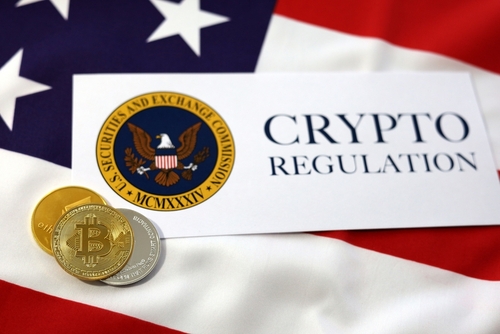 Continuing Appropriations and Extensions Act, 2027 (HR 6500) – This appropriations bill was finalized and passed by both the House and the Senate on Sept. 1. The act funds the fiscal year 2027 government budget through Dec. 11 at current levels. It was signed by the President on Sept. 2.



 21st Century ROAD to Housing Act (HR 6644) – This bipartisan, White House-endorsed bill addresses housing affordability by placing ownership restrictions on large institutional investors and expanding financing for homebuyers. Introduced by Rep. French Hill (R-AR) on Dec. 11, 2025, it passed in the House on Feb. 9 and in the Senate with changes on March 12. The bill went back and forth between the two chambers until both agreed to the final form on June 23. However, during that time frame, the President withheld his support, and the bill was enacted on July 11 by the 10-day rule (meaning it was neither signed nor vetoed by the President within 10 days of receiving the bill from Congress).
 Sunshine Protection Act of 2025 (HR 139) – The purpose of this legislation is to make daylight savings time (DST) permanent for most of the country. States and territories presently exempt from DST may choose the standard time for those areas. This latest version of the bill was introduced by Rep. Vern Buchanan (R-FL) on Jan. 3, 2025. The Act passed in the House on July 14 and faces a mix of cross-aisle opposition and support in the Senate.
 Secure America Act (S 2) – The Secure America Act is a federal budget reconciliation bill that funds homeland security. It was introduced by Sen. Lindsay Graham (R-SC) on May 20. The bill allocates $22.6 billion to Customs and Border Protection; $3.5 billion for border security technology improvements; $38.5 billion to Immigration and Customs Enforcement (ICE); and
 Safeguard American Voter Eligibility Act (S 1383) – Also known as the SAVE America Act, this bill passed in the House on Feb. 11 but stalled in the Senate due to the Democrat filibuster. The bill would require states to verify documentary proof of citizenship and current residential address when Americans apply for federal voter registration. The easiest documentation would be a birth certificate or passport that confirms their current legal name (most women change their last name after marriage, so they require additional documentation, such as a marriage certificate). However, research from the Bipartisan Policy Center found that nearly 1 in 10 registered voters do not have access to their birth certificate, and 52 percent do not have an unexpired passport with their current legal name. Note that these registration requirements kick in any time current voters update their registration, such as for an address change or to switch political party affiliation. The bill also requires a specific type of photo ID to cast a ballot. A driver’s license is acceptable, but not student IDs or a tribal ID that lacks an expiration date (which tribal IDs do not contain). The president is also insistent that the legislation include unrelated restrictions for transgender Americans. The debate over this bill continues in the Senate.
 21st Century ROAD to Housing Act (HR 6644) – As many local governments face the problem of rising affordability and severe housing shortages, this bipartisan bill would update existing housing programs to increase the housing supply, as well as streamline federal regulations that slow construction. Among its provisions, the legislation would authorize a pilot program designed to convert vacant or underused buildings into residential housing, issue grants for infrastructure improvements for utilities and transportation, and include construction of new housing units for low- and moderate-income residents. The legislation was introduced on Dec. 11, 2025, by Rep. French Hill (R-AR). It originally passed in the House on Feb. 9, but the Senate made changes before passing it on March 12. It has returned to the House for a final vote.
 Commerce, Justice, Science; Energy and Water Development; and Interior and Environment Appropriations Act, 2026 (HR 6938) – This Act is one of the remaining budget bills to fund the government through Sept. 30, 2026. It includes funding for several agencies, including the Department of Commerce, the Department of Justice, the U.S. Army Corps of Engineers, the Department of Energy, and the Environmental Protection Agency. The bill was introduced by Rep. Tom Cole (R-OK) on Jan. 6. It passed in the House on Jan. 8, the Senate on Jan. 15, and was signed into law on Jan. 23.
 Veterans’ Compensation Cost-of-Living Adjustment Act of 2025 (S 2392) – This Act was introduced by Sen. Jerry Moran (R-KS) on July 23. It passed in the Senate on Nov. 9, the House on Nov. 17, and was signed into law on Nov. 25. The purpose of this bill is to increase rates of compensation for veterans with service-connected disabilities, as well as the rates of dependency and indemnity compensation for the survivors of certain disabled veterans. The rate hikes became effective on Dec. 1.
 Epstein Files Transparency Act (HR 4405) – The purpose of this bill is to require the Department of Justice to release all documents and records in its possession of investigations and court cases related to Jeffrey Epstein. Epstein was previously convicted of soliciting prostitution from an underage girl, and also faced new sex trafficking charges prior to his 2019 death in custody. The files are expected to reveal the names of other people involved in the sex trafficking scheme. The act was initially introduced by Rep. Ro Khanna (D-CA) on July 15. It was updated and passed in the House on Nov. 18, in the Senate the next day, with only one opposing vote between the two chambers. The bill was signed into law by the president on Nov. 19. The DOJ has up to 30 days to release the documents, which may be lightly redacted to protect against unwarranted invasion of privacy, such as victim names and medical data.